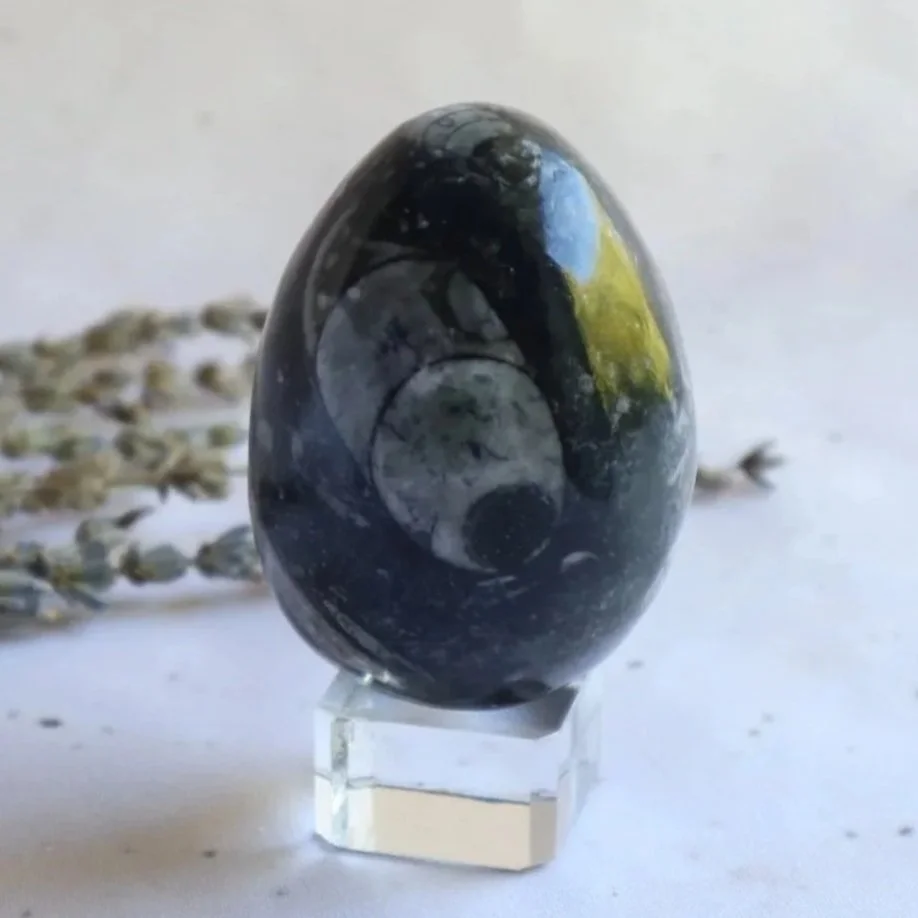
 Image 1 of 4
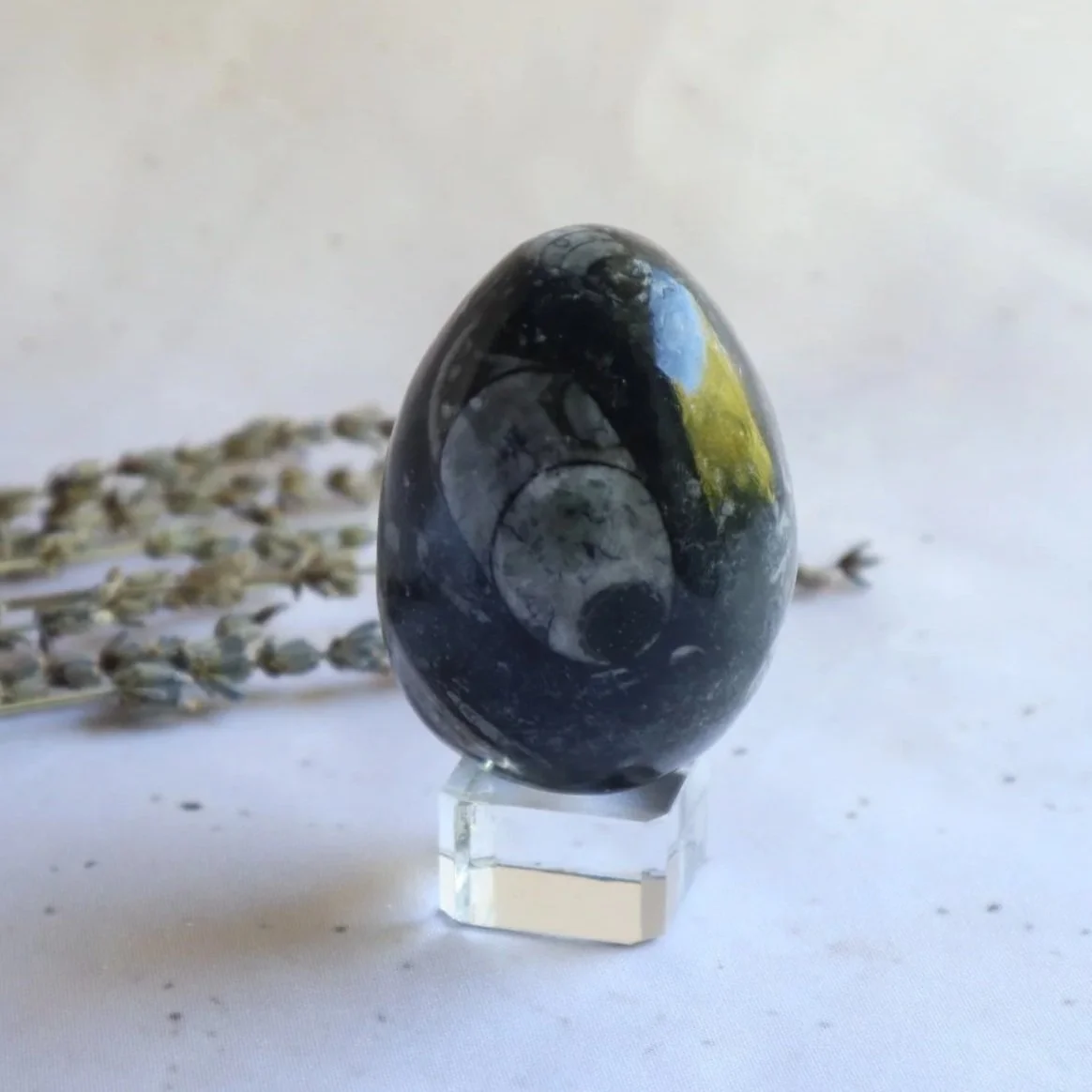
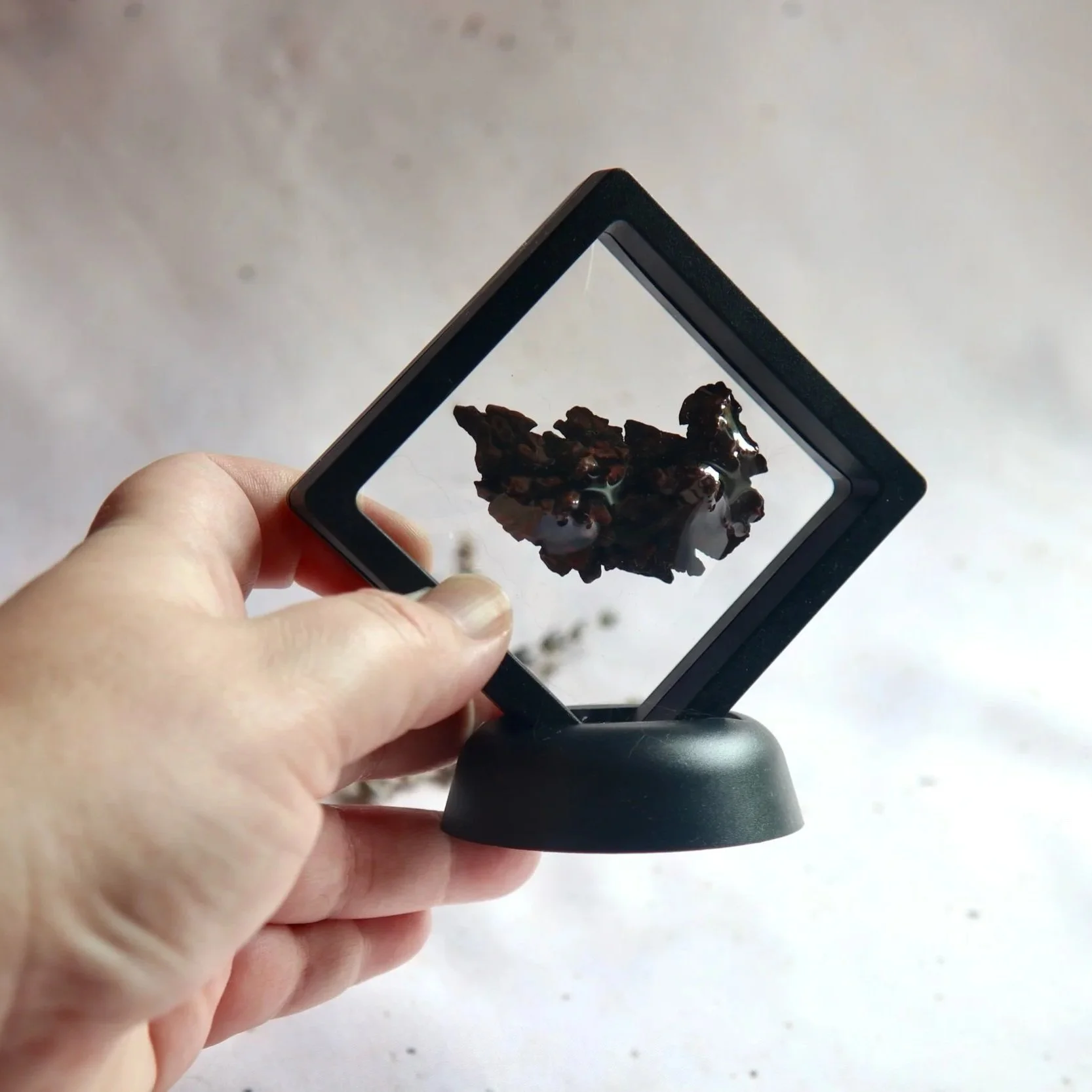 Image 2 of 4
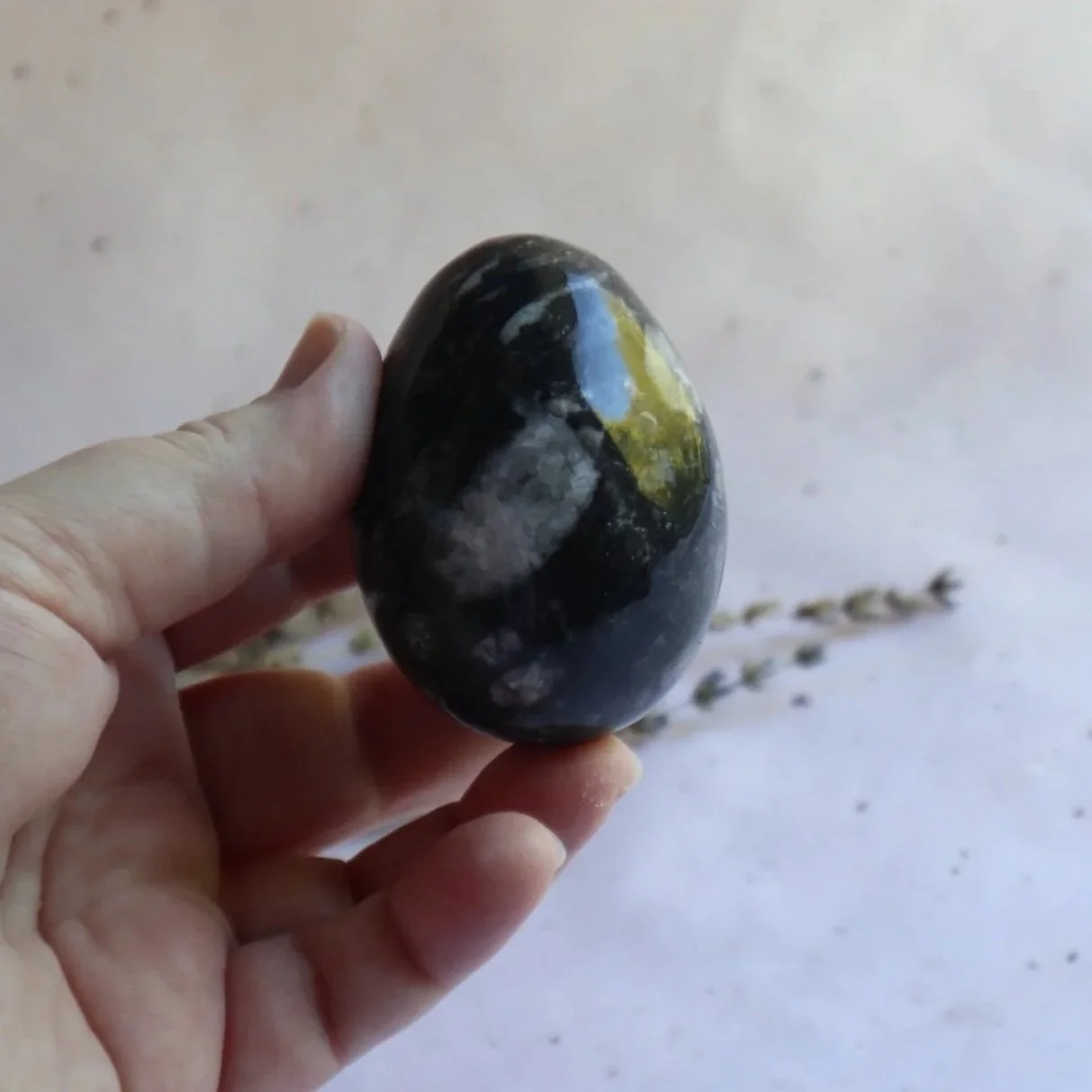
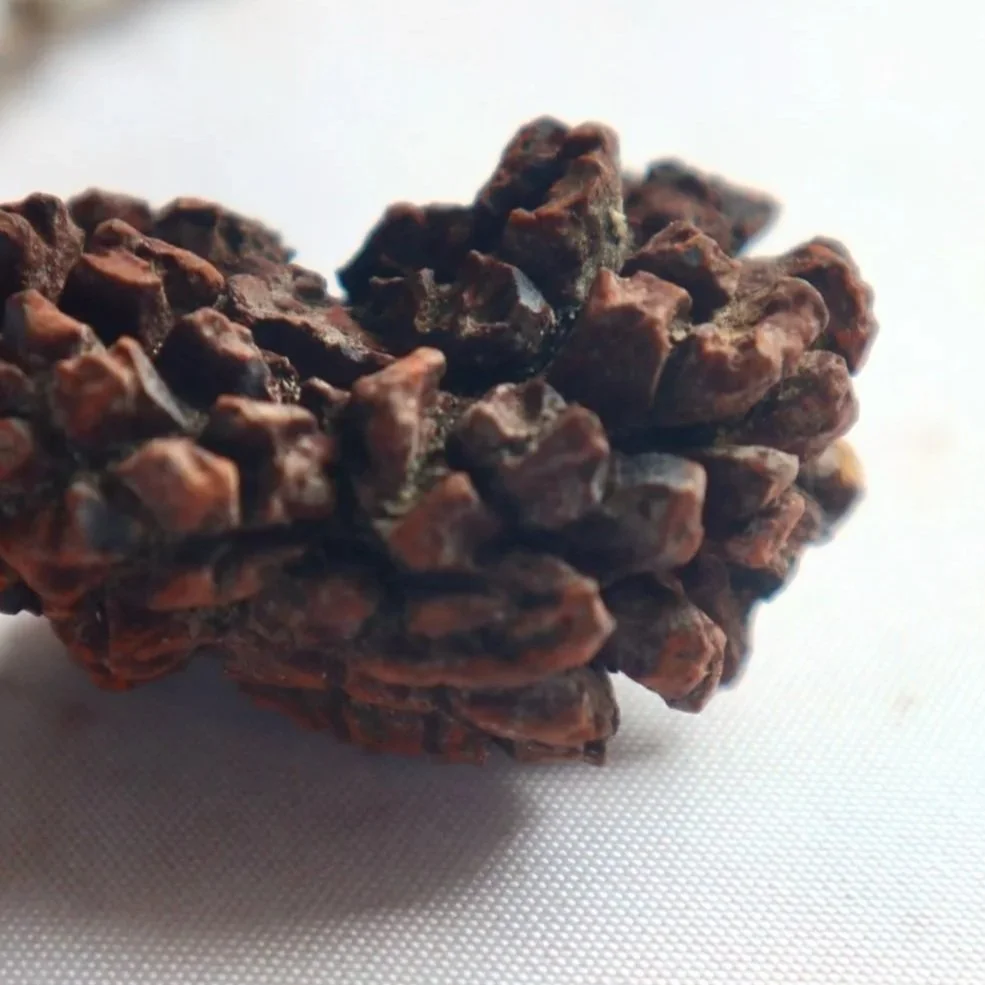 Image 3 of 4
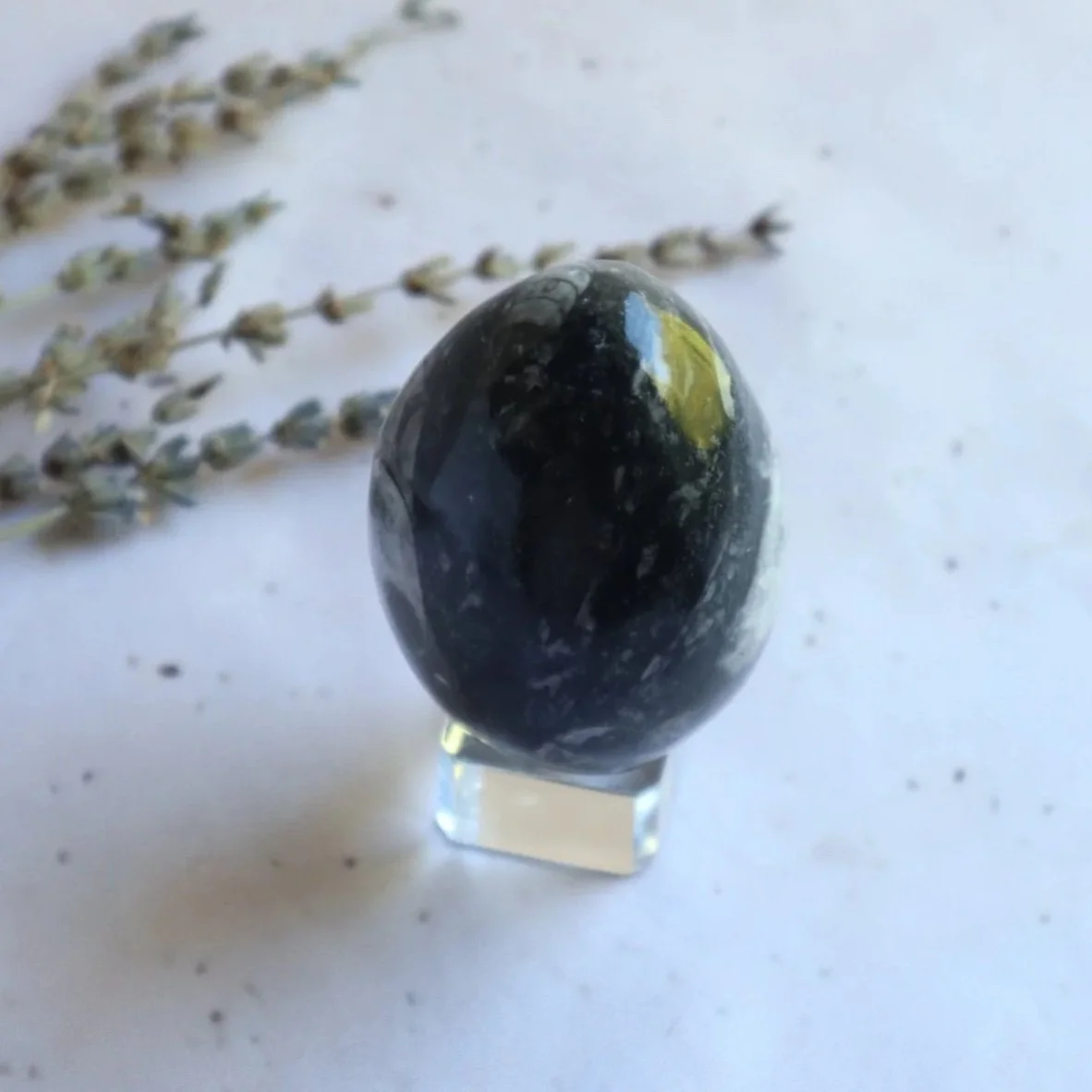
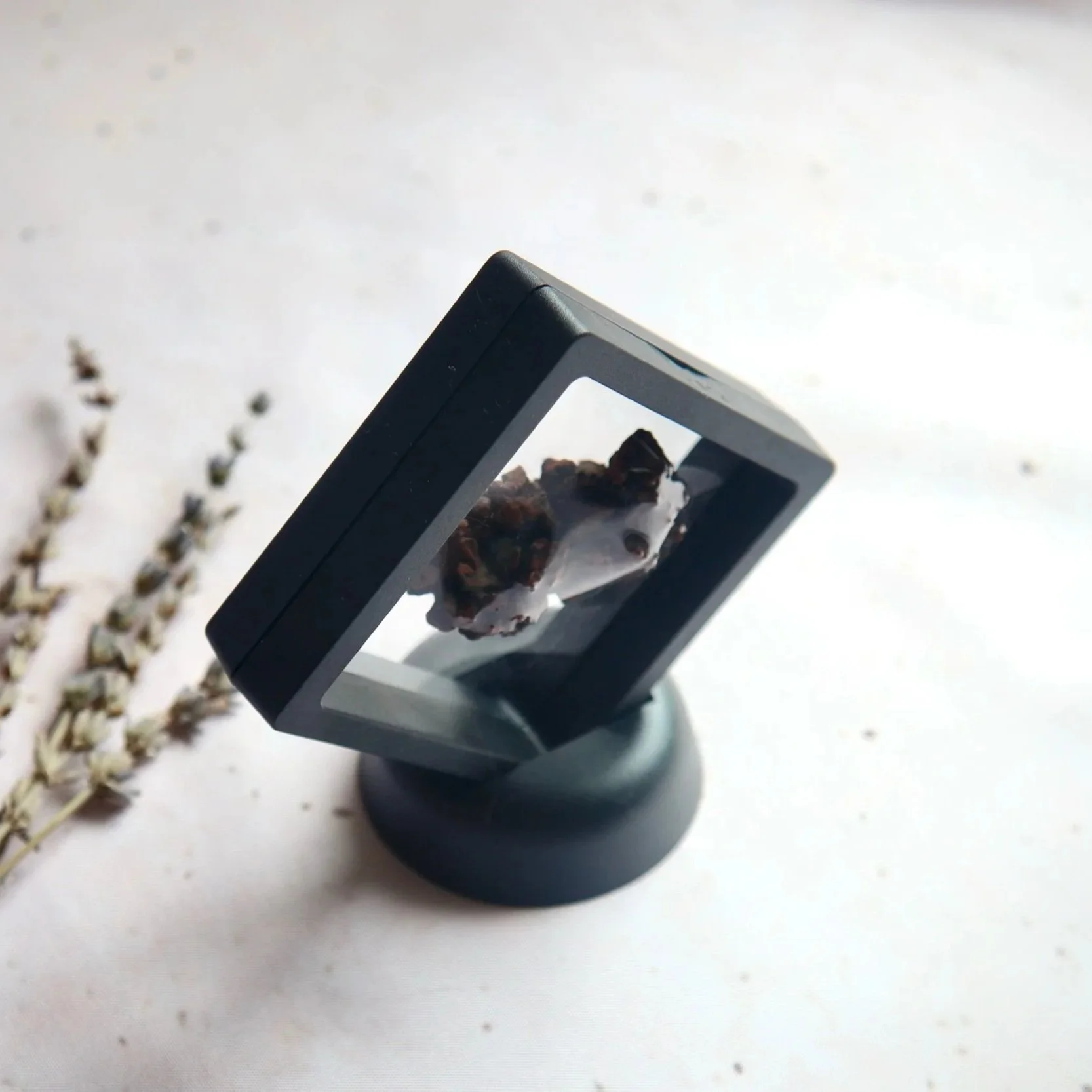 Image 4 of 4
-
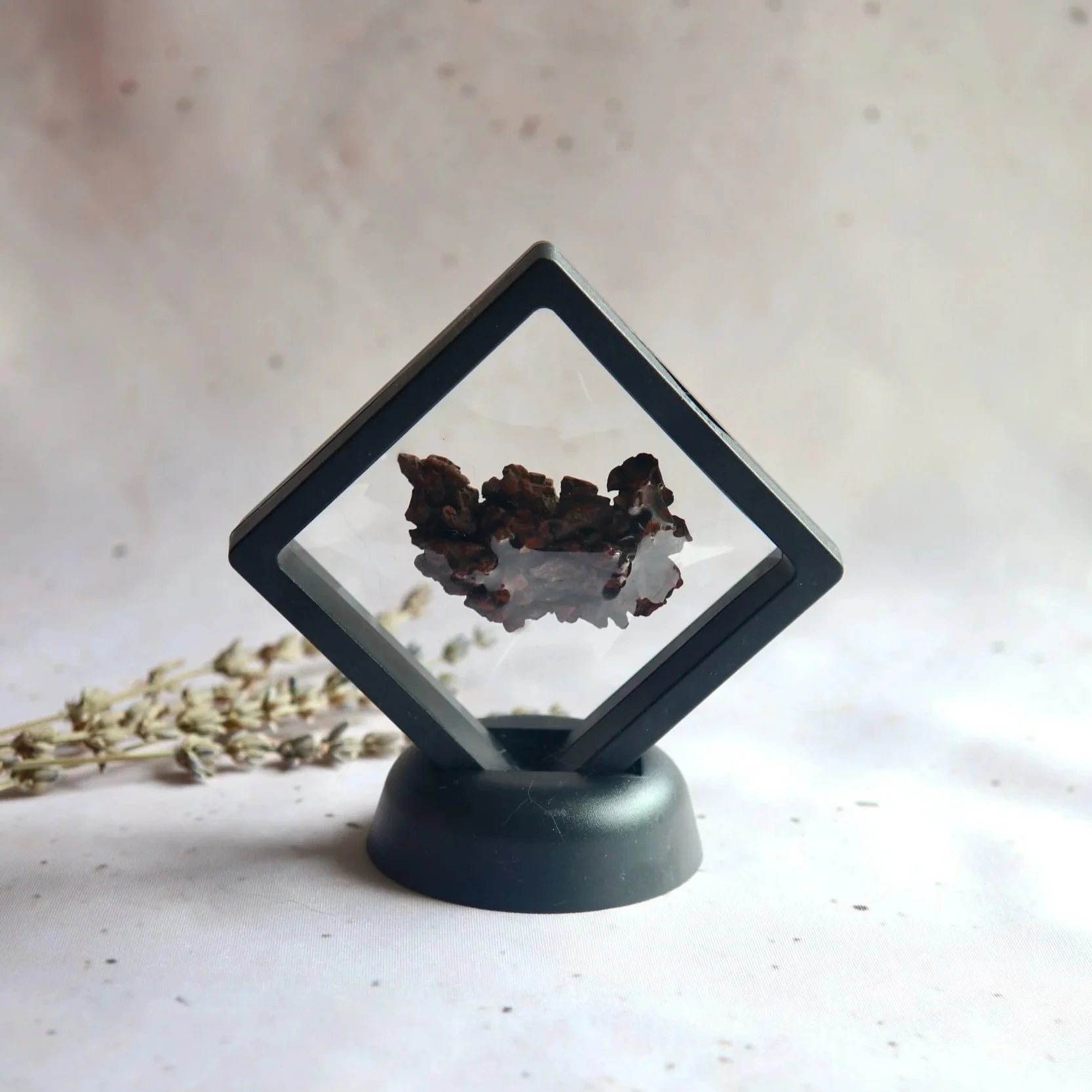
Product: Coprolite fossil dinosaur poop
Common name: Dino poo
Material classification: Fossil
Display: Black floating display frame with matching stand
Approximate display dimensions: 7 × 7 cm
Specimen size and weight: Vary naturally between pieces
Quantity: One fossil specimen
Selection: One intuitively selected piece
-
Coprolite is fossilised faecal material. Under suitable conditions, material can be buried and preserved through geological processes, sometimes retaining features that provide clues about ancient animals, their diets and the environments they inhabited.
Coprolites are studied by palaeontologists as trace fossils. Depending on the specimen and the evidence available, they can contribute to our understanding of prehistoric food webs and ancient ecosystems.
-
Fossils aren't limited to bones, teeth and shells. Trace fossils preserve evidence of ancient life and behaviour, including tracks, burrows and coprolites.
That makes this specimen an unusual little piece of natural history: a reminder that palaeontology investigates how ancient organisms lived, not just what their skeletons looked like.
-
Fossil and natural history collections
Dinosaur enthusiasts
Lovers of unusual, conversation-starting curiosities
Geology and palaeontology enthusiasts
Display shelves, desks and collector cabinets
Anyone who appreciates the stranger side of natural history
-
Handle the specimen and display gently.
Keep the fossil dry and avoid soaking or washing it.
Avoid household cleaners, oils and harsh chemicals on the specimen.
Place the display on a stable surface away from knocks and falls.
Dust the frame and stand gently with a soft, dry cloth.
Please Note
This listing is for one intuitively selected coprolite fossil. Your specimen will vary in shape, texture and appearance from the piece shown.
The fossil's size and weight vary naturally and are not specified individually.
The black floating display frame and matching stand are included. The display measures approximately 7 × 7 cm.
Natural fossils may have irregular surfaces, colour variations, cracks or other features formed during preservation.
Colours may appear slightly different depending on lighting, photography and your screen settings.
The identification and geological origin of the fossil are based on the available supplier information. A specific dinosaur species or producer is not claimed unless verified.
This is a natural-history specimen intended for display and educational interest.
Curious about Earth's ancient history? Explore our article How Old Are Crystals? The Ancient Minerals That Are Older Than Dinosaurs to discover more about geological time and the remarkable ages of Earth's minerals.