
Chakras & Crystals
Explore the seven chakras and the crystals traditionally associated with them.
The chakra system has roots in ancient Indian spiritual, yogic and tantric traditions. The word chakra comes from Sanskrit and is commonly translated as “wheel” or “disc.” Different traditions describe chakras in different ways, including different numbers and arrangements. Today, the seven-chakra system is one of the most widely recognised frameworks, particularly in modern yoga, meditation and crystal practices.
Today, chakras are also widely explored within modern spiritual and crystal practices, where particular crystals are traditionally associated with different chakras based on their colour, symbolism and energetic qualities.
In this guide, we'll explore the seven commonly recognised chakras, their traditional associations, and some of the crystals commonly connected with each one in modern crystal practice.
Whether you're completely new to chakras or simply looking for a crystal to complement your existing practice, think of this as a place to start exploring.
A little note on terminology: chakra associations belong to spiritual and cultural traditions rather than established scientific mineralogy. When we talk about what a crystal is associated with in relation to a chakra, we're discussing traditional and modern crystal practices rather than scientifically proven effects.
Root Chakra | Muladhara
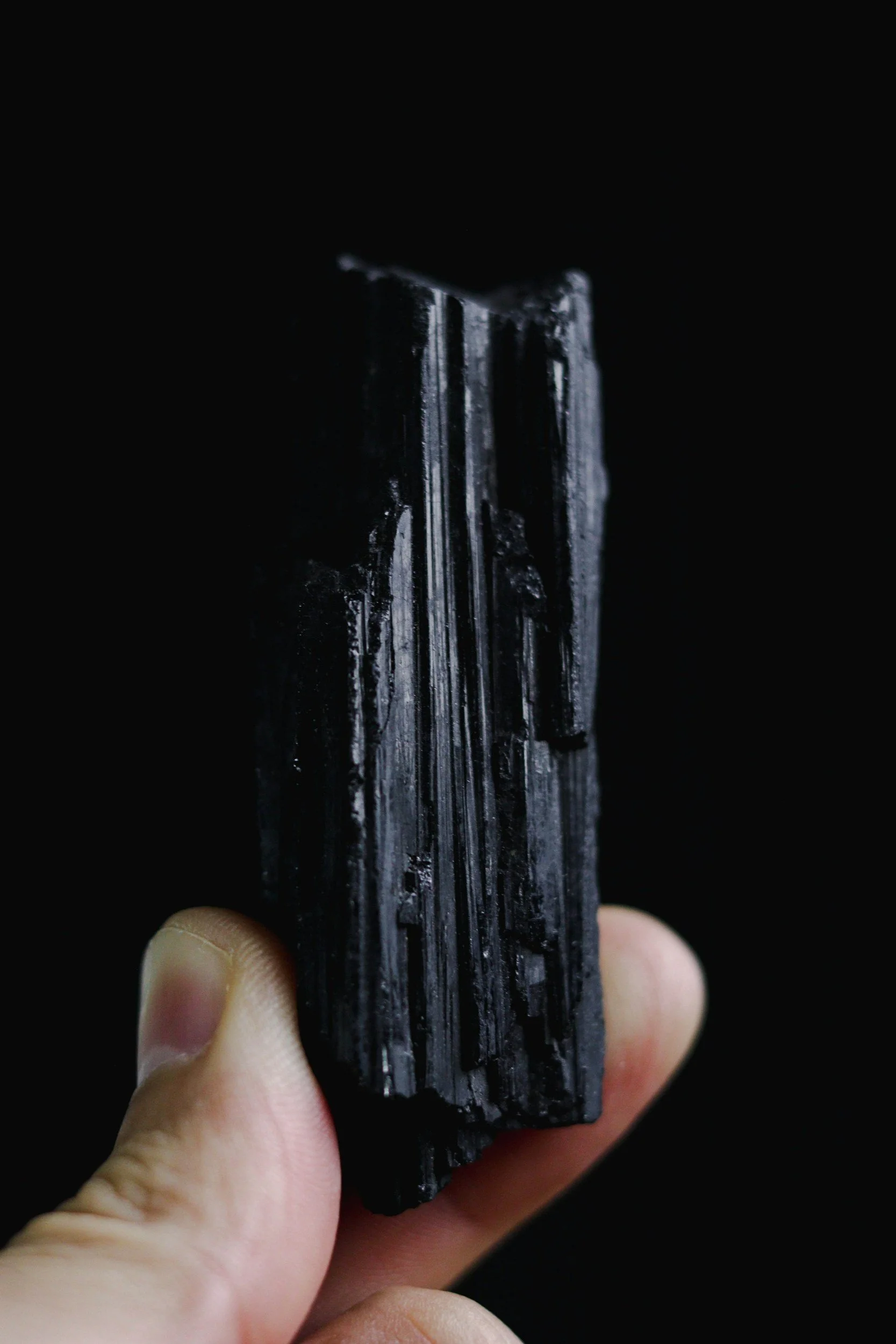
The Root Chakra, known in Sanskrit as Muladhara, is traditionally associated with grounding, stability, security and our sense of connection to the physical world. It is often represented by the colour red and symbolised by a four-petalled lotus.
In modern crystal traditions, crystals associated with the Root Chakra are often chosen for intentions around grounding, protection, stability, courage and feeling more connected to yourself and your surroundings.
Crystals traditionally associated with the Root Chakra include Black Tourmaline, Black Obsidian, Smokey Quartz, Bloodstone and Red Jasper.
Whether you're creating a grounding ritual, carrying a crystal throughout the day or simply love the deep earthy colours associated with this chakra, Root Chakra crystals can be a meaningful addition to your crystal practice.
Sacral Chakra | Svadhisthana
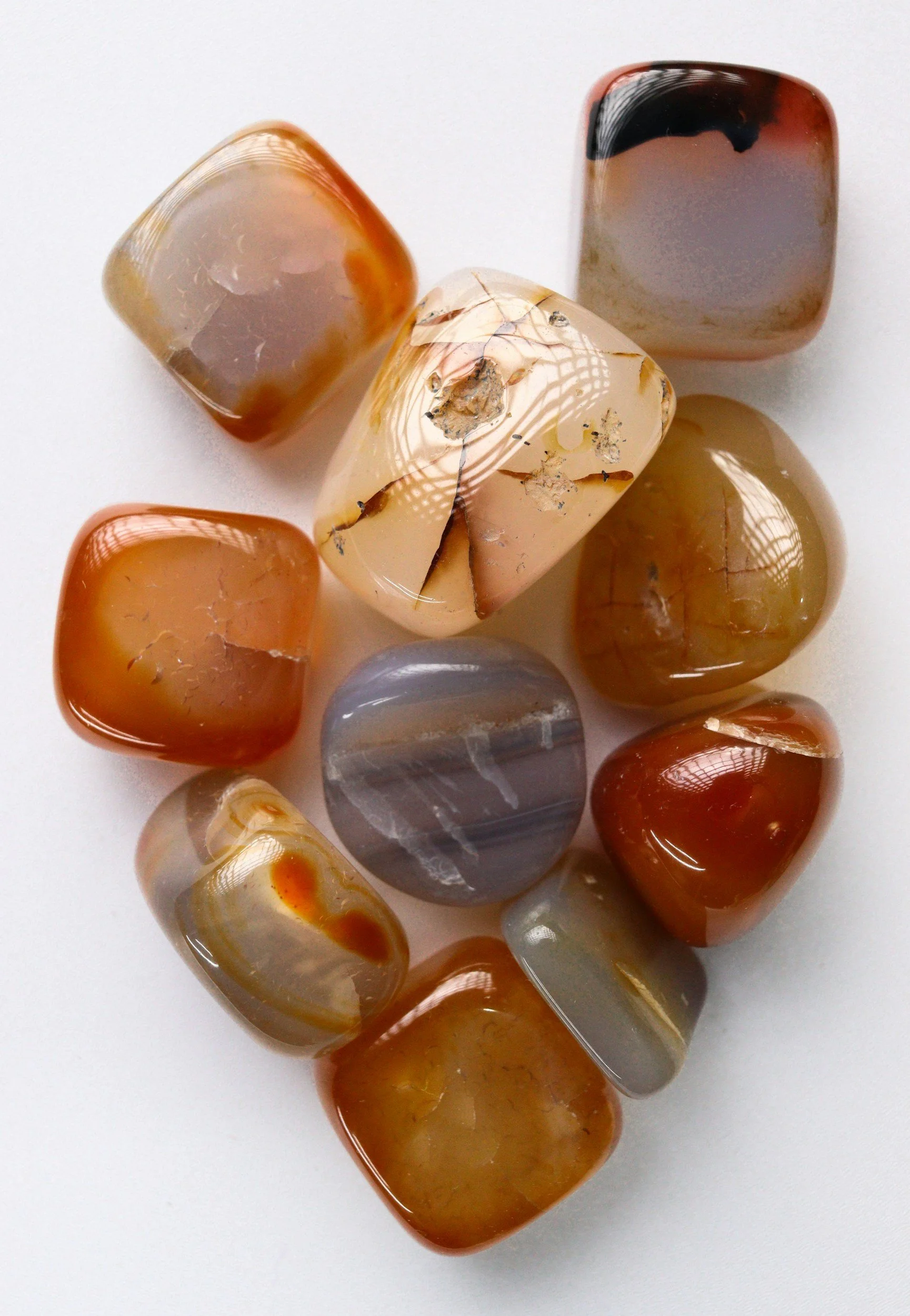
The Sacral Chakra, known in Sanskrit as Svadhisthana, is traditionally associated with creativity, pleasure, emotional expression and our relationship with the senses. It is commonly represented by the colour orange and is associated with water and the flowing nature of emotions and creative energy.
In modern crystal traditions, crystals associated with the Sacral Chakra are often chosen for intentions around creativity, joy, emotional flow, confidence, passion and embracing life's pleasures.
Crystals commonly associated with the Sacral Chakra in modern crystal traditions include Carnelian, Orange Calcite, Sunstone, Peach Moonstone and Orange Aventurine.
Whether you're looking for inspiration for a creative project, wanting to bring a little more joy into your everyday rituals or simply drawn to warm orange crystals, Sacral Chakra crystals can be a meaningful addition to your personal crystal practice.
Solar Plexus Chakra | Manipura
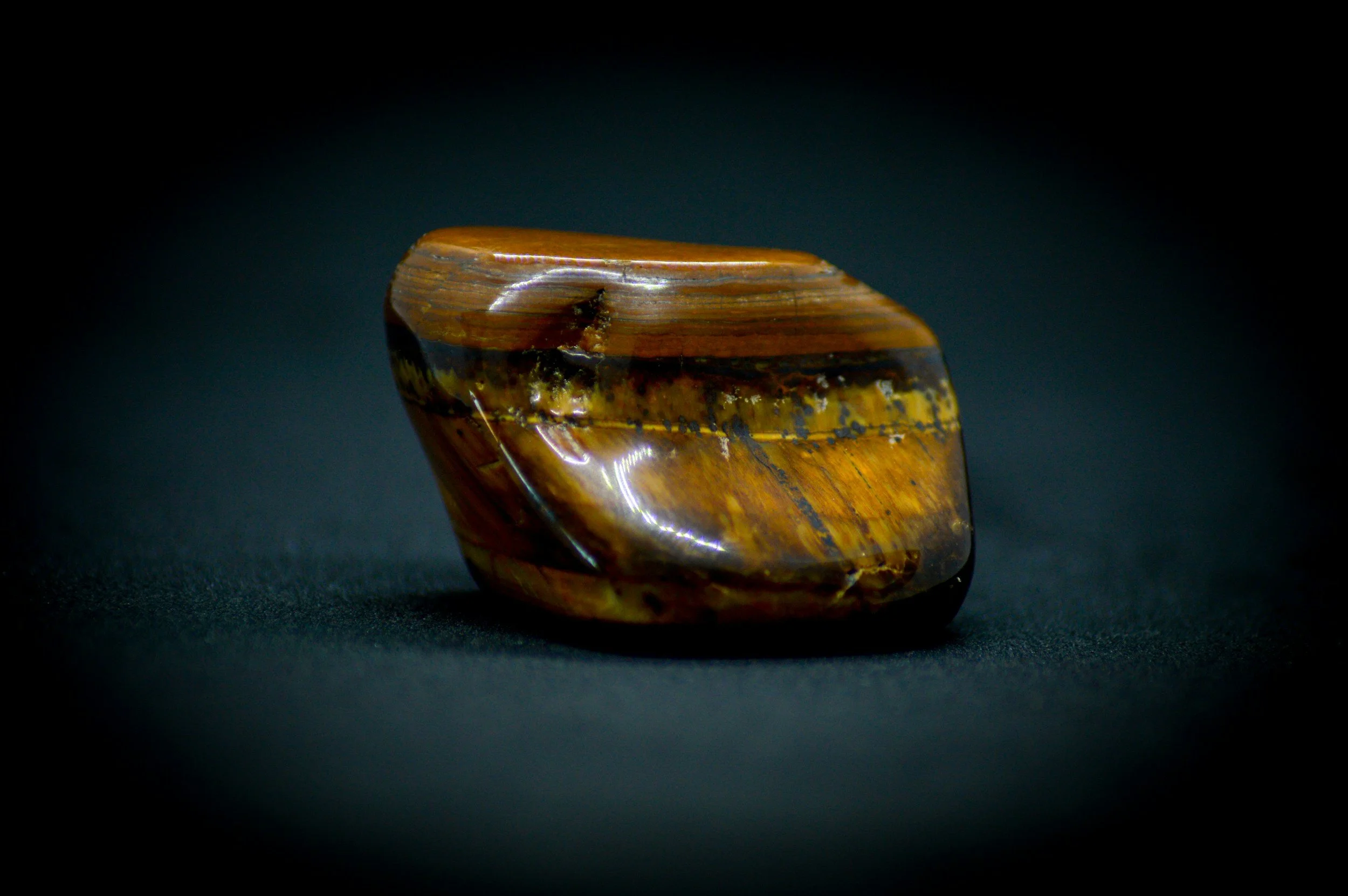
The Solar Plexus Chakra, known in Sanskrit as Manipura, is traditionally associated with personal power, confidence, motivation and our sense of self. It is commonly represented by the colour yellow and is associated with the element of fire, reflecting themes of warmth, transformation and inner strength.
In modern crystal traditions, crystals associated with the Solar Plexus Chakra are often chosen for intentions around confidence, motivation, courage, abundance, focus and embracing your personal power.
Crystals commonly associated with the Solar Plexus Chakra include Citrine, Tiger’s Eye, Pyrite, Golden Healer and Yellow Calcite.
Whether you're working towards a goal, looking for a little extra confidence or simply drawn to bright, golden crystals, Solar Plexus Chakra crystals can be a meaningful addition to your personal crystal practice.
Heart Chakra | Anahata
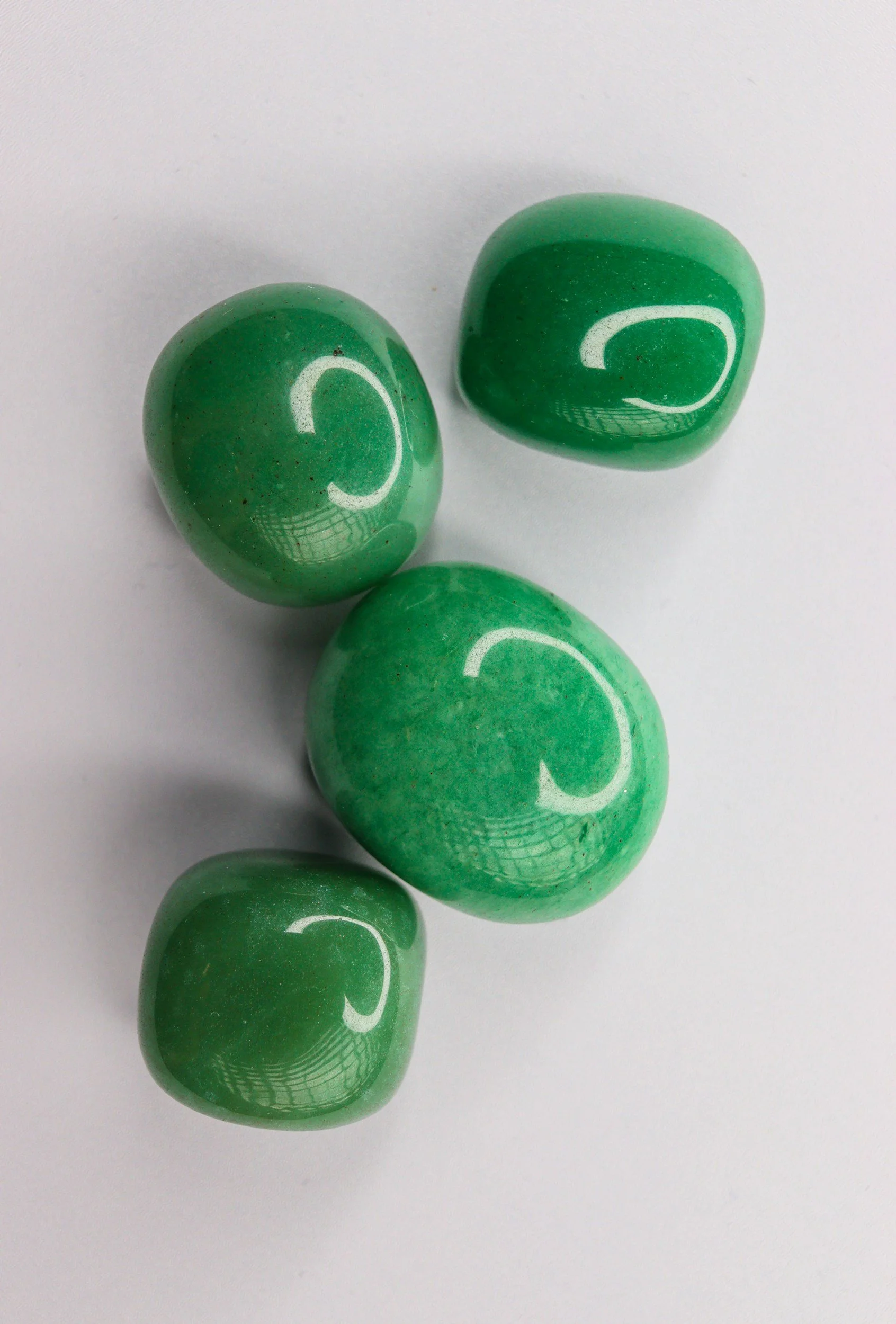
The Heart Chakra, known in Sanskrit as Anahata, is traditionally associated with love, compassion, kindness, emotional connection and our ability to give and receive love. It is commonly represented by the colour green, although pink is also strongly associated with the heart in modern crystal traditions.
In modern crystal traditions, crystals associated with the Heart Chakra are often chosen for intentions around love, compassion, emotional healing, self-love, forgiveness and connection.
Crystals commonly associated with the Heart Chakra include Rose Quartz, Green Aventurine, Rhodonite, Green Calcite and Unakite.
Whether you're creating a self-love ritual, celebrating an important relationship or simply drawn to soft pink and gentle green crystals, Heart Chakra crystals can be a meaningful addition to your personal crystal practice.
Throat Chakra | Vishuddha
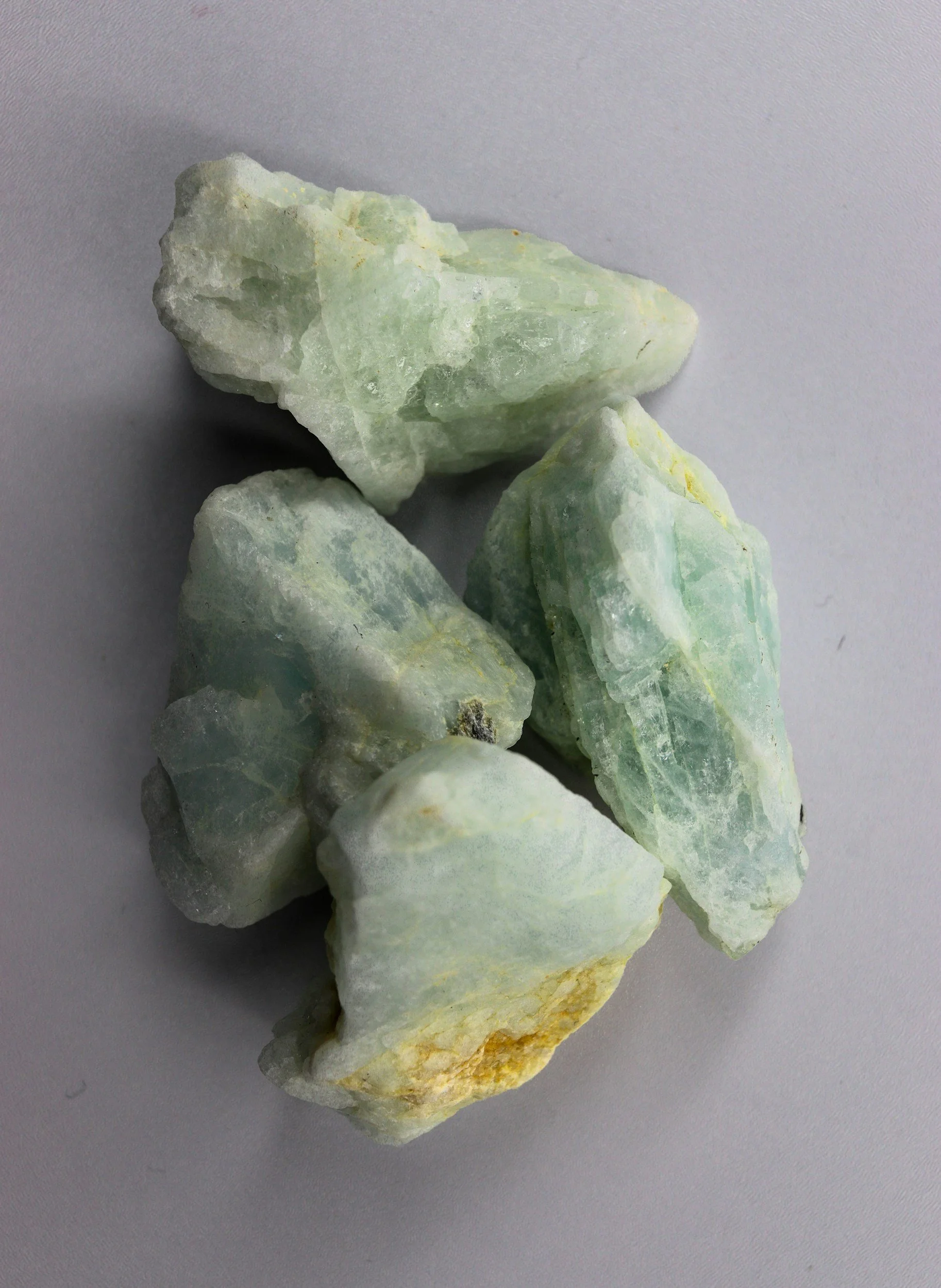
The Throat Chakra, known in Sanskrit as Vishuddha, is traditionally associated with communication, self-expression, truth and the ability to express our thoughts and feelings. It is commonly represented by the colour blue and is associated with the element of space, reflecting ideas of openness, expression and connection.
In modern crystal traditions, crystals associated with the Throat Chakra are often chosen for intentions around communication, confidence, self-expression, honesty, listening and finding your voice.
Crystals commonly associated with the Throat Chakra include Blue Lace Agate, Amazonite, Sodalite, Aquamarine and Blue Calcite.
Whether you're preparing for an important conversation, working on creative expression or simply drawn to beautiful blue crystals, Throat Chakra crystals can be a meaningful addition to your personal crystal practice.
Third Eye Chakra | Ajna
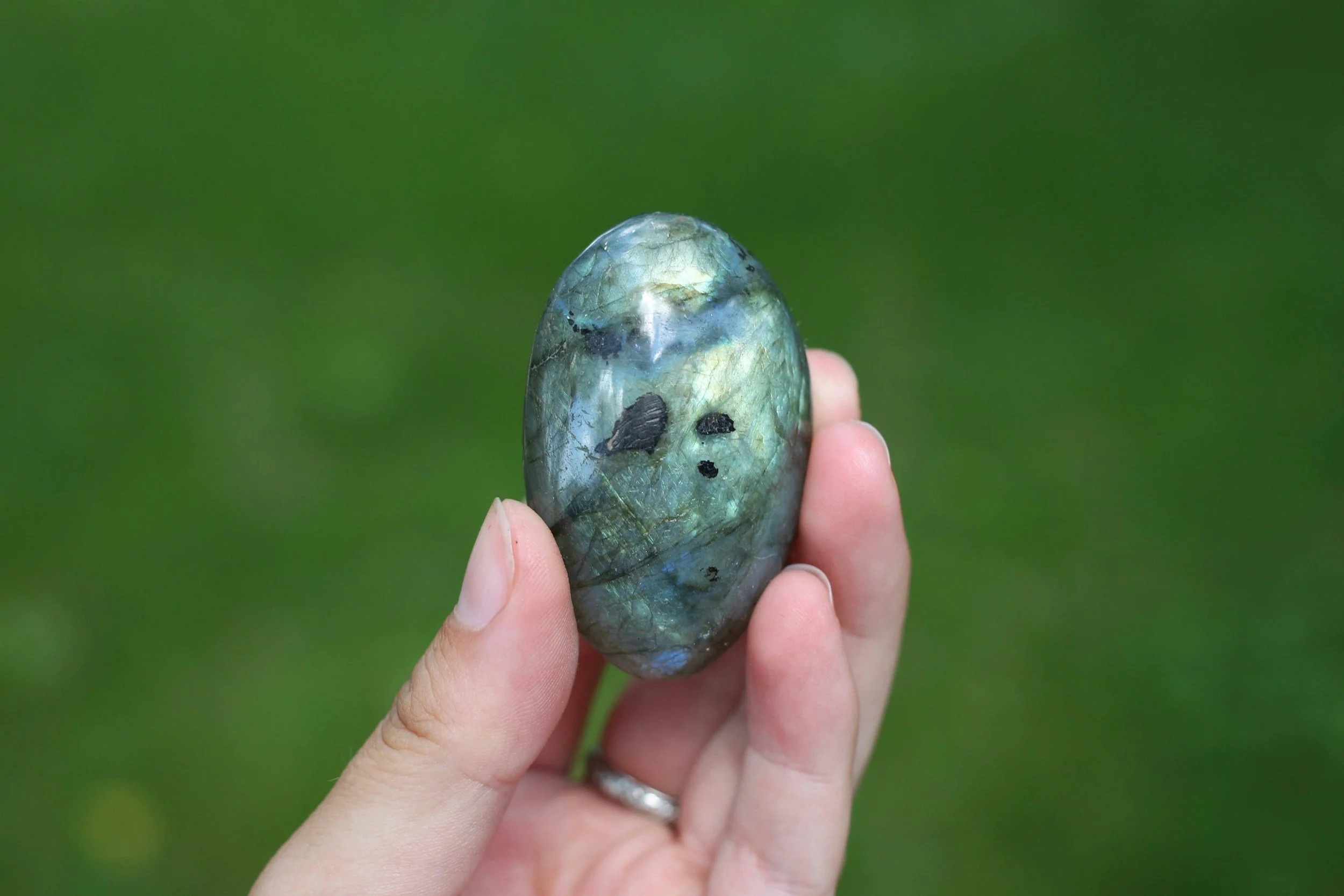
The Third Eye Chakra, known in Sanskrit as Ajna, is traditionally associated with intuition, insight, inner awareness and our ability to look beyond the surface of things. It is commonly represented by the colour indigo and is associated with perception, reflection and inner wisdom.
In modern crystal traditions, crystals associated with the Third Eye Chakra are often chosen for intentions around intuition, insight, clarity, imagination, meditation and self-reflection.
Crystals commonly associated with the Third Eye Chakra include Amethyst, Labradorite, Lepidolite, Fluorite and Lapis Lazuli.
Whether you're spending time in meditation, exploring your intuition, reflecting on a decision or simply drawn to beautiful purple and indigo crystals, Third Eye Chakra crystals can be a meaningful addition to your personal crystal practice.
Crown Chakra | Sahasrara
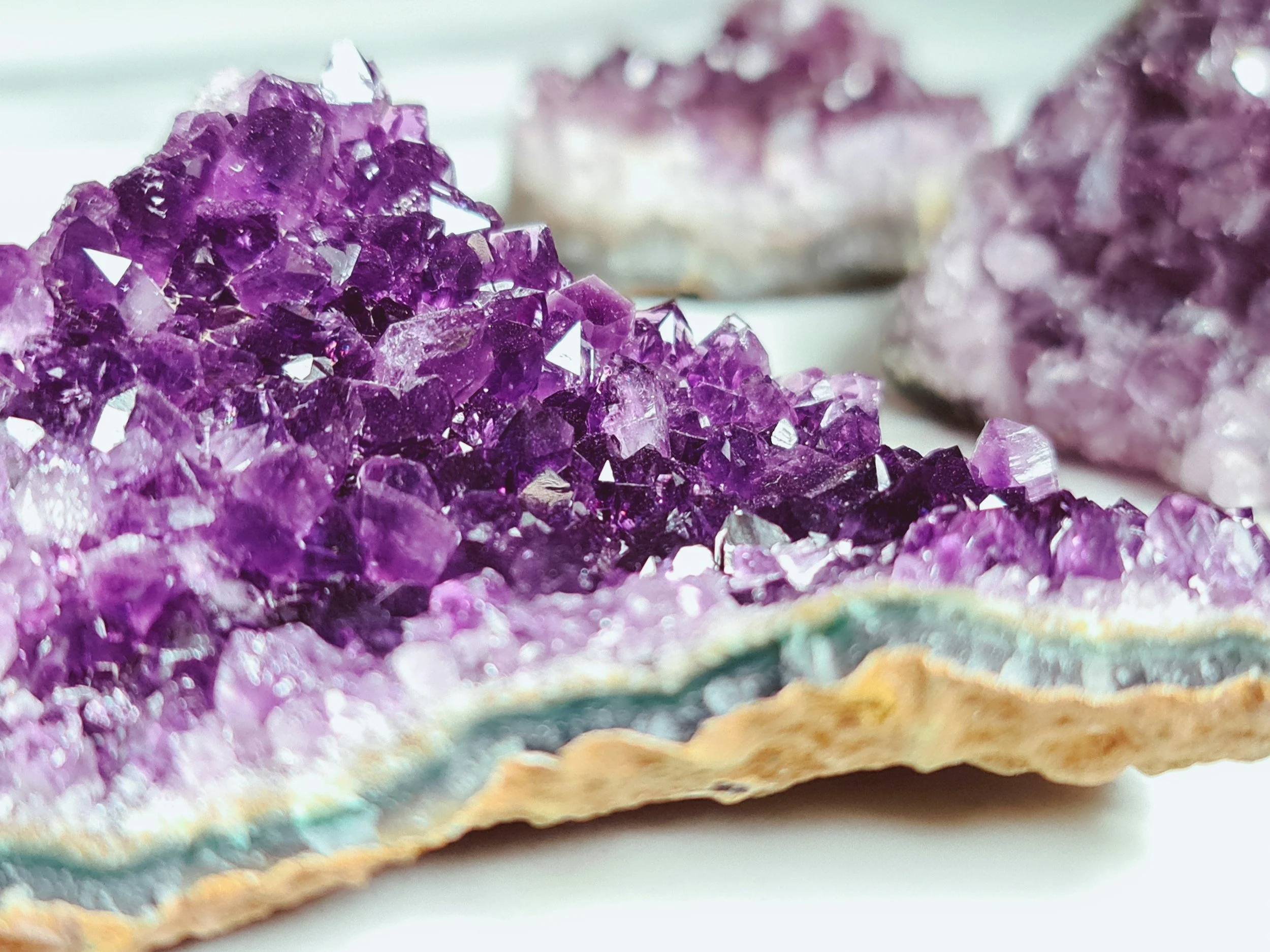
The Crown Chakra, known in Sanskrit as Sahasrara, is traditionally associated with spirituality, consciousness, contemplation and a sense of connection to something beyond the individual self. It is commonly represented by the colours violet or white and is associated with ideas of spiritual awareness, wisdom and higher consciousness.
In modern crystal traditions, crystals associated with the Crown Chakra are often chosen for intentions around spiritual connection, meditation, clarity, awareness, wisdom and inner peace.
Crystals commonly associated with the Crown Chakra include Clear Quartz, Amethyst, Satin Spar and Selenite.
Whether you're creating a quiet meditation space, spending time in reflection or simply drawn to luminous white and violet crystals, Crown Chakra crystals can be a meaningful addition to your personal crystal practice.
Frequently Asked Questions
-
The seven-chakra system commonly used today describes seven centres traditionally associated with different aspects of physical, emotional and spiritual experience: Root, Sacral, Solar Plexus, Heart, Throat, Third Eye and Crown. Each is traditionally associated with particular colours, elements and symbolic themes. Different Indian traditions have described chakra systems in different ways, so the familiar seven-chakra framework is one of several traditions and interpretations.
-
No. Chakras and crystal-to-chakra associations are part of spiritual and metaphysical traditions rather than scientifically established systems. There is no scientific evidence that crystals activate, balance or heal chakras. Many people nevertheless enjoy working with crystals as part of meditation, reflection, personal rituals or spiritual practice.
-
You can start with the crystals traditionally associated with that chakra, but there isn't one “correct” crystal you have to choose. Consider the colour, symbolism, crystal properties and personal intention that appeal to you. You may also simply find yourself drawn to a particular crystal, which can be a meaningful starting point for your practice.
-
No. There is no single universal chakra system. Different Indian spiritual and yogic traditions have described chakras differently, including differences in their number, names, locations and symbolic associations. The seven-chakra rainbow system is particularly familiar in modern Western yoga, wellness and crystal practices, but it isn't the only chakra framework.
-
Absolutely. Crystal associations aren't fixed rules, and different crystal traditions may connect the same crystal with different chakras. For example, Amethyst is commonly associated with both the Third Eye and Crown Chakras. The colour, symbolism and qualities traditionally attributed to a crystal can all influence these associations.
-
Absolutely. You don't need to work with chakras to enjoy crystals. Crystals can be appreciated for their natural beauty, mineralogy, collecting, jewellery, symbolism, meditation or personal meaning. You can explore them in whatever way feels right for you.
-
No. Chakra crystal associations are guidelines rather than strict rules. If a particular crystal feels meaningful to you, you don't need permission from a crystal chart to use it. You can choose crystals based on their traditional associations, your intentions, their appearance, or simply because you love them.
-
Satin Spar and Selenite are different varieties of the mineral gypsum, although Satin Spar is very commonly sold in the crystal trade under the name “Selenite.” Satin Spar has a fibrous structure and silky appearance, while true Selenite is typically transparent or translucent and crystalline. If you'd like to explore the difference in more detail, see our Selenite vs Satin Spar guide.
Want to Explore More Crystals?
Whether you've found a chakra you're drawn to or you're simply curious about a particular crystal, our Crystal Learning Library is here to help you explore further. Discover individual crystal guides, traditional associations, practical ways to use them and more.
🌻 Disclaimer
Crystal and chakra associations described on this page are based on traditional, spiritual and modern metaphysical practices. They are not scientifically established treatments and should not be used as a substitute for professional medical advice, diagnosis or treatment.